What Are the Best Beans for Superautomatic Machines in 2026?
We analyzed 92,687 owner reviews to rank the best beans for superautomatic machines: nine 2026 picks from $13.99 to $38.95, for espresso and milk.
By the CoffeeGearGuides team · USA · Updated Jul 25, 2026 · 35 min read
On this page21
The best beans for superautomatic machines must satisfy the cup and the machine at the same time.
One family favors dry, Arabica-forward coffee with clarity in espresso and long coffee. The other uses some Robusta and deeper development to build crema, body, and enough roast flavor to stay present under milk.
Neither family gets a free pass. A pale, dense bean may taste thin in a short automatic cycle, while a glossy dark bean can leave residue in places the owner cannot easily reach.
For this 2026 guide, we compared official specifications, roaster guidance, machine manuals, forum reports, and 92,687 Amazon ratings across the final nine products.
We also read balanced and three-star owner reviews for complaints about stale stock, broken seals, inconsistent lots, surface oil, and flavor that faded before the bag was empty.
How we chose these coffee beans for 2026
CoffeeGearGuides is research-driven. We do not claim to have brewed every bag, and our about page explains how we weigh evidence.
We began with current manufacturer pages and machine manuals. Those sources establish roast labels, blend composition, bag size, packaging, and explicit warnings about oily, coated, or caramelized beans.
Then we compared expert coverage, coffee forums, Reddit discussions, and Amazon owner feedback. We gave extra weight to three-star reviews, where praise and a specific problem often appear together.
The first filter was mechanical suitability. We favored beans described as medium or light-medium, then checked owner photos and reports for recurring claims about gloss, chaff, broken beans, or grinder feeding.
The second filter was extraction fit. A superautomatic has a smaller adjustment range than a cafe setup, so each pick needed a credible path to sweetness without requiring a long manual shot recipe.
The third filter was value after opening. A cheap 2.2-pound bag is poor value for one daily drink if half of it tastes flat before the household finishes it.
Every listing had to verify in stock with a live US price. Every final pick also cleared 4.0 stars and had at least 500 owner ratings at the time of writing.
Our two backups did not survive that final comparison. One duplicated the decaf and Italian-profile roles with only 350 reviews, while the other had just 44 reviews.
What a superautomatic needs from beans
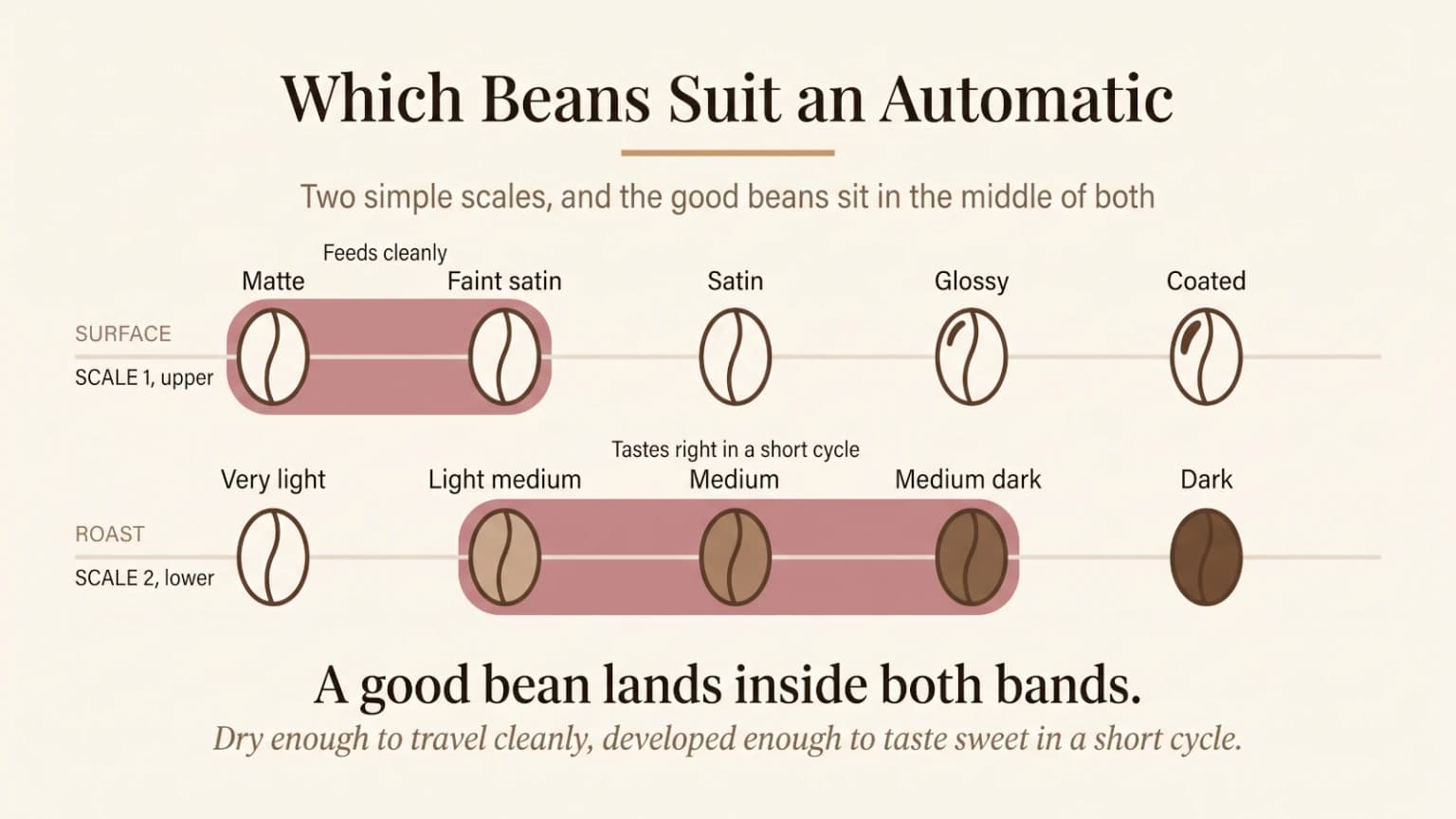
The useful question is not simply light roast or dark roast. It is where a bean sits inside the machine's acceptance window.
The first scale is feed behavior. Matte beans move through the hopper and grinder more predictably, while heavy surface oil can trap fines and make beans bridge above the burrs.
The second scale is extraction accessibility. A developed medium roast gives up soluble flavor during a short brew cycle, while a very light bean may need more dose, finer grinding, or longer contact than the machine permits.
The practical target is dry enough to travel cleanly and developed enough to taste balanced in a compact automatic brew cycle.
That creates a narrow but useful center. Medium roasts with a dry to faintly satin surface usually sit there, including both chocolate-led Arabica blends and restrained Arabica-Robusta blends.
Beans outside the center are not automatically impossible. They simply ask more from a machine that may offer only several grind steps, a limited dose range, and fixed brew-group geometry.
Read the bean before loading it
Read the bean before loading it
What you see or know
What it means for the machine
Matte medium roast
Best opening bet; audition four cups before a full hopper
Faint satin sheen
Often workable; watch the chute and puck bin for sticky fines
Greasy shine across most beans
Return or reserve for a grinder you can open and clean
Flavor coating or added aroma
Reject; coating can transfer through the grinder and brew path
Very pale, dense beans
Mechanically clean, but flavor may stay sharp in short recipes
Many broken beans and loose chaff
Expect uneven feed and more debris around the hopper
Visual inspection is a screening tool, not a laboratory oil test. Your machine manual remains the final authority.
Flavor still decides which acceptable bean belongs in your hopper. For straight espresso, sweetness and a clean finish matter more than towering crema.
For a 10-ounce latte, body matters. A measured Robusta share or a deeper medium roast can stop the coffee from disappearing under milk.
For a long coffee, harshness compounds as more water passes through the puck. Arabica-forward blends with moderate development are usually the safer direction.
This framework also explains why one universal list fails. The best bean for a Jura lungo drinker is not automatically the best bean for a De'Longhi cappuccino household.
Machine type sets the boundary before flavor does. Our built-in grinder espresso guide separates manual portafilter machines from the one-touch superautomatics this list is written for.
9 best beans for superautomatic machines
The ranking favors broad usefulness first, then distinct jobs. It is not a ladder from mild to strong or cheap to expensive.
All prices and owner numbers below were recorded at the time of writing. Amazon prices change, but the product buttons use the verified listings.
Ratings and review counts are our live Amazon US readings at the time of writing. Inspect every new bag before loading it. Amazon.com prices as of 15/09/2026. Details
Do not buy a 2.2-pound bag merely because its unit price wins the table. Later sections turn bag size into days open, which can reverse the apparent value.
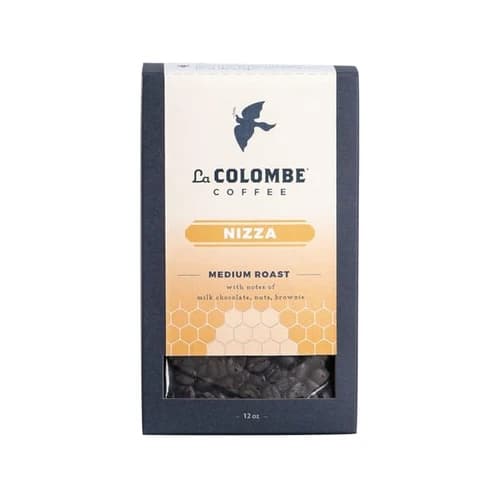
1. La Colombe Nizza
La Colombe Nizza is our best starting point because the roaster's choices align with a superautomatic's constraints without making the cup feel designed around them.
It is a sweet, nutty medium roast with milk-chocolate and brownie notes. At the time of writing, 1,206 Amazon reviews averaged 4.3 stars; verified 12-ounce ASIN B00MZXU6CW was $14.49.
La Colombe Nizza
Rated 4.3 from 1,206 ratings
A balanced Philadelphia-roasted medium blend for espresso, long coffee, and milk drinks. The 12-ounce bag suits realistic home turnover.
La Colombe identifies Nizza as a specialty Arabica blend and currently names Brazilian and Colombian components. Those components can evolve, so treat the product's chocolate-nut target as the constant rather than a fixed origin recipe.
Balanced owner reviews praise sweetness without a burnt edge. The recurring criticism is not a fundamental flavor fault, but a fresh bag that needs a different grind setting from the previous one.
The honest weak point is milk authority. Nizza works in a cappuccino, but a large latte can mute its softer sweetness more than it would mute a Robusta-supported blend.
Buy it if the household switches among espresso, Americano, long coffee, and modest milk drinks. The 12-ounce format also makes it our first recommendation for one or two daily cups.
If the machine mainly dispenses 12-ounce lattes, move to Lavazza Crema e Aroma. If roast-date certainty matters more than bag cost, the next pick is stronger.
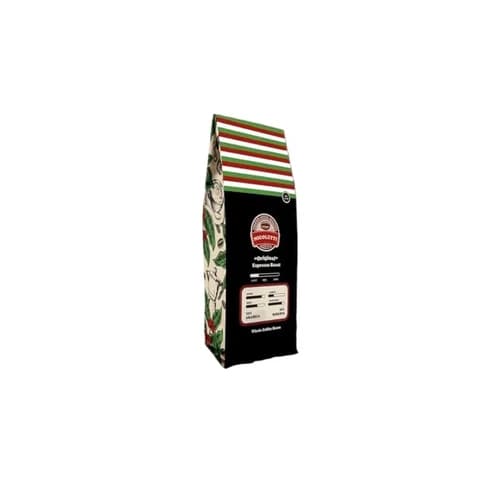
2. Nicoletti Original Espresso
Nicoletti Original Espresso makes the freshness claim unusually easy to audit. The Brooklyn roaster stamps a roast date and says it makes this blend four or five times each week.
Its light-medium 70/30 Arabica-Robusta recipe is recommended by the roaster for automatics. At the time of writing, 544 Amazon reviews averaged 4.6 stars; 2.2-pound ASIN B077LB21WV cost $38.95.
Nicoletti Original Espresso
Rated 4.6 from 544 ratings
A Brooklyn-roasted 70/30 Arabica-Robusta blend with a stamped roast date. It favors fresh traditional espresso over imported-bag convenience.
This is the pick for buyers who distrust a best-by date but do not want a pale specialty roast. The blend keeps traditional espresso body while the roast remains deliberately lighter and drier than glossy Italian bar roast.
Owners repeatedly value the crema and the absence of a burnt finish. The more measured reviews mention a stronger Robusta edge than an all-Arabica blend and a flavor that can become forceful when the machine is set to maximum strength.
The roast date is evidence, not a command to brew immediately. Very fresh coffee is still degassing, and the extra carbon dioxide can make the first automatic shots foamy and unsettled.
Give a newly roasted bag several days of rest if the crema looks bubbly or the cup tastes oddly sharp. Nicoletti's freshness lets you make that decision from a date rather than guesswork.
The honest problem is the package size. A 2.2-pound bag is sensible for a household making four or more drinks daily, but it is too much for an occasional espresso drinker unless portions are frozen correctly.
At four 10-gram doses per day, the bag lasts about 25 days. At one dose daily, it lasts roughly 100 days, and the final third is unlikely to taste like the first.
Buy it for a busy bean-to-cup machine when freshness transparency and traditional crema matter equally. For one daily black coffee, the 12-ounce La Colombe Nizza bag wastes far less aroma.
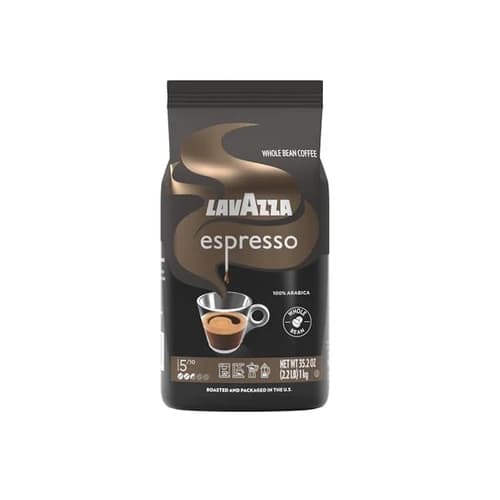
3. Lavazza Espresso
Lavazza Espresso wins the bulk-value role without leaning on Robusta for structure. Lavazza specifies 100% Arabica, medium development, and intensity 5 out of 10.
Its profile is floral and fruity rather than smoky. At the time of writing, 24,591 Amazon reviews averaged 4.6 stars; verified 2.2-pound ASIN B00P0ZMWEC cost $22.99.
Lavazza Espresso
Rated 4.6 from 24,591 ratings
A moderate 100% Arabica blend for economical everyday espresso and long coffee. It trades roast-date precision for scale and a dense owner record.
Positive reviews tend to call the cup smooth, balanced, and easy to repeat. Three-star complaints most often frame the same restraint as blandness, especially after a darker cafe roast or in a milk-heavy recipe.
Other balanced reviews focus on stock age. A sealed valve bag can travel well, but a distant best-by date does not reveal when the beans were roasted or how long they moved through distribution.
That is the honest exchange at $22.99. You get reliable brand logistics and a low unit price, but not the lot-level transparency of a small roaster.
Check the seal, bean surface, and first-cup aroma before committing the whole bag. If the beans smell muted as soon as the valve is pressed, freshness will not improve inside the hopper.
This is our default for homes making three to six Americanos, espressos, or coffees each day. The flavor remains calm across several strength settings and does not depend on a thick milk blanket.
Choose Counter Culture Big Trouble if you will pay more per ounce for a smaller US specialty bag. Choose the next blend if cappuccino strength matters more than Arabica purity.
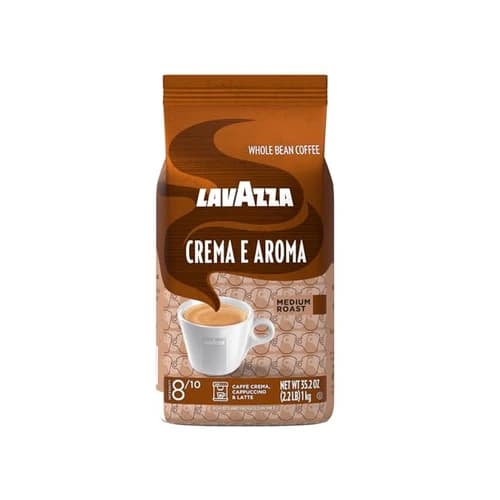
4. Lavazza Crema e Aroma
Lavazza Crema e Aroma is built for the point where milk starts erasing coffee. Lavazza gives it intensity 8 out of 10 and highlights lasting creaminess, chocolate, and milk recipes.
It is a medium Arabica-Robusta blend. At the time of writing, 17,143 Amazon reviews averaged 4.5 stars; verified 2.2-pound ASIN B0002E2GQU cost $22.53.
Lavazza Crema e Aroma
Rated 4.5 from 17,143 ratings
A chocolate-led Arabica-Robusta blend with enough intensity for cappuccino and latte recipes. Its bulk format rewards busy milk-drink households.
Lavazza lists origins across Africa, Asia, and South America but no current percentage split. We will not fill that gap with an old or unsupported ratio.
This blend earns fourth place because it performs one popular task with little ambiguity. In a cappuccino, its chocolate direction and extra body survive where a softer floral Arabica can become warm milk with a coffee scent.
Owners with Philips, De'Longhi, and Jura machines often describe dependable crema and a familiar Italian-style cup. Balanced reviews also describe a bitter or earthy edge when the drink is pulled long at maximum strength.
That is not a contradiction. More water extracts more of the finish, and a Robusta-supported blend that works in milk can become blunt as an 8-ounce black coffee.
Start with a short espresso volume and add water after brewing for an Americano. Do not force the brew group to push a large water volume through the same puck.
The three-star pattern that concerns us most is an older or less aromatic bag. Bulk imported coffee can arrive excellent, ordinary, or flat depending on stock rotation and seal history.
Crema e Aroma also needs the same surface check as every other medium blend. Most owner discussion frames it as suitable for automatic machines, but a roast word cannot guarantee every physical lot.
Buy it when the machine makes at least four milk drinks daily and the bag will turn over quickly. For black coffee first, the all-Arabica Lavazza Espresso is sweeter and less forceful.
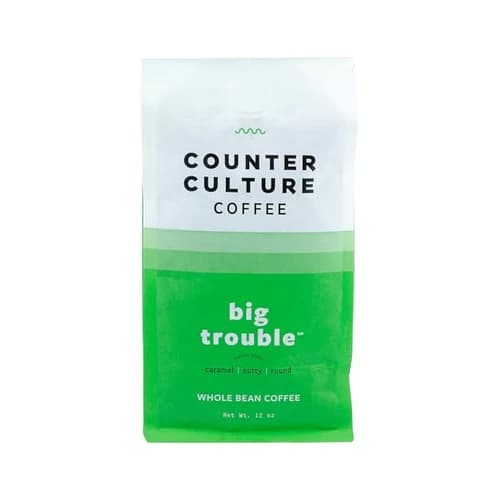
5. Counter Culture Big Trouble
Counter Culture Big Trouble bridges traditional comfort and US specialty sourcing. Its medium-dark profile is caramel, nutty, and round.
Components can rotate to preserve that target, so settings may shift. At the time of writing, 501 Amazon reviews averaged 4.4 stars; verified 12-ounce ASIN B07N3FC7L6 cost $16.29.
Counter Culture Big Trouble
Rated 4.4 from 501 ratings
A caramel and nutty US specialty blend in a practical 12-ounce bag. It suits buyers who want traceable-roaster habits without bright light-roast demands.
This is not a recommendation to chase tasting-note poetry through a fixed automatic brew group. Big Trouble works because its advertised flavors are accessible ones: caramelized sweetness, nuts, chocolate, and medium body.
Owners praise a rounded cup without the sharpness they associate with lighter specialty coffee. More critical reviews report muted aroma, roast inconsistency, or a bag that seemed older than an order bought directly from the roaster.
The sales channel explains part of that tension. A roaster controls its own warehouse and subscription cadence, while an Amazon unit may pass through a different inventory path.
Check the date marking when the bag arrives. If direct-roaster freshness is much better in your location, the Amazon convenience is not worth keeping for the next order.
The honest mechanical caveat is the medium-dark label. It is not automatically oily, but this development level sits closer to the acceptance-window boundary than Nizza or Smart Ass.
Inspect each lot instead of treating the brand as permanent clearance. A faint sheen is different from oil collecting around the seam or transferring to your fingers.
Buy Big Trouble for two or three daily cups when you want a small bag and a classic specialty profile. It costs more per ounce than bulk Lavazza, but less coffee is exposed for less time.
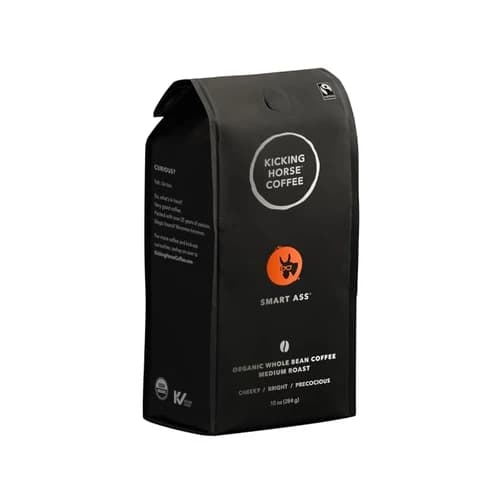
6. Kicking Horse Smart Ass
Kicking Horse Smart Ass is the rare pick whose roaster answers the machine question directly. Kicking Horse recommends this medium blend or its lighter Hola for integrated-grinder automatics.
It is a bright organic Arabica from Central and South America. At the time of writing, 3,598 Amazon reviews averaged 4.4 stars; verified 10-ounce ASIN B014KG4YZ6 cost $13.99.
Kicking Horse Smart Ass
Rated 4.4 from 3,598 ratings
A bright organic Arabica blend that its roaster recommends for integrated-grinder automatics. The small bag makes experimentation inexpensive.
The manufacturer's recommendation is useful because it links the roast to this appliance type, but it does not guarantee your preferred cup. Smart Ass sits toward the brighter edge of the acceptance window.
Positive owners describe clean sweetness and a lively aroma rather than smoke. Balanced reviews sometimes call it sour, weak, or lighter than expected, especially after a dark roast.
Some of that is preference, and some is extraction. A short automatic recipe can leave bright acids exposed if the dose is low or the grind too coarse.
Raise aroma strength before changing several variables. If the cup stays sharp, move the grinder one approved step finer while it runs, then judge again after two or three drinks.
The honest weakness is limited milk reach. Sugar-cane sweetness can be pleasant in a small flat white, but a large flavored latte will bury the reasons to pay for this profile.
Buy it when organic and Fairtrade sourcing matter and black coffee has become too roast-heavy. The 10-ounce pack is also a low-risk way to learn whether your machine can make a brighter cup.
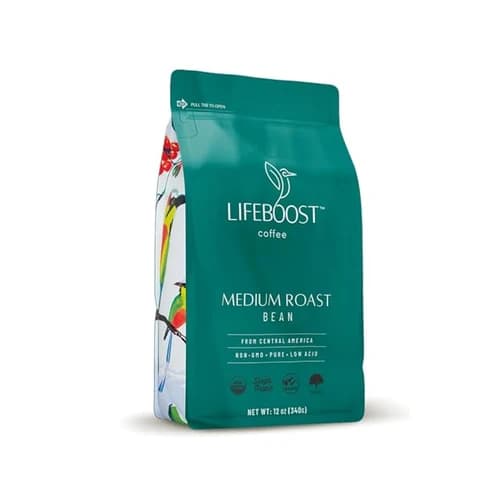
7. Lifeboost Organic Medium
Lifeboost Organic Medium is for buyers specifically seeking coffee marketed as low acid. Lifeboost calls it organic, single-origin Arabica and says it receives outside contaminant testing.
Its profile is creamy, nutty, and dried-fruit sweet. At the time of writing, 1,565 Amazon reviews averaged 4.3 stars; 12-ounce ASIN B089B1B892 cost $28.99.
Lifeboost Organic Medium
Rated 4.3 from 1,565 ratings
An organic single-origin Arabica sold around a low-acid claim and outside testing. Its balanced medium profile is the mechanically sensible Lifeboost choice.
We are deliberately labeling those as brand claims rather than verified facts. "Low acid" is not one universal clinical threshold, and a coffee that tastes gentle is not medical treatment for reflux or ulcers.
Brewing choices also change the drink. Dose, water volume, temperature, and milk can alter perceived acidity even when the beans remain the same.
Owners who like Lifeboost tend to praise smoothness and the lack of a sharp finish. Three-star feedback often questions value, aroma strength, or a cup that feels ordinary beside the premium price.
That price is the honest case against it. At $28.99 for 12 ounces, the coffee cost is more than double the unit cost of the strongest Lavazza values.
The premium makes sense only if its stated sourcing, certification, testing, and low-acid positioning are features you actively value. It does not buy twice the extraction performance from a superautomatic.
Mechanically, medium is the sensible starting choice in the brand's main line. A darker "espresso" label is not automatically better, and flavored beans do not belong in the hopper.
Buy this for a black-coffee drinker who already prefers Lifeboost's stated standards and can finish 12 ounces promptly. If value leads the decision, Lavazza Espresso is far easier to defend.
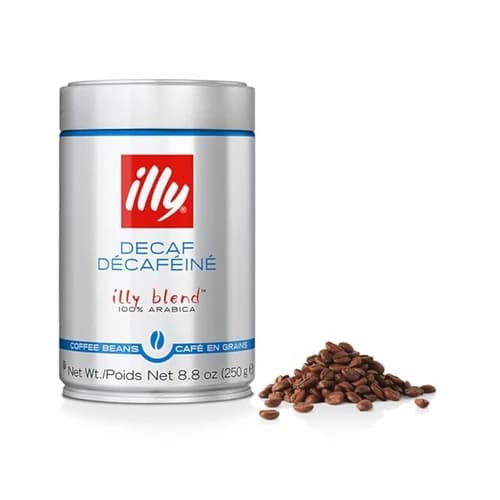
8. illy Decaf Whole Bean
illy Decaf Whole Bean solves a storage problem before a flavor problem. The 8.8-ounce can is pressurized with inert gas to limit oxygen and humidity before opening.
The Classico decaf is medium-roast 100% Arabica. At the time of writing, 1,409 Amazon reviews averaged 4.4 stars; verified ASIN B009D86QDK cost $17.29.
illy Decaf Whole Bean
Rated 4.4 from 1,409 ratings
A medium 100% Arabica decaf in a small pressurized can. It suits a decaf hopper or a planned caffeine-free stretch better than occasional bean swapping.
We found no current official whole-bean page naming the decaffeination method, so this guide makes no process claim.
Decaf often moves more slowly through a household, so the small can is not a trivial feature. It reduces the amount exposed after opening and avoids the false economy of a kilogram bag used twice a week.
Owner praise centers on a decaf cup that still reads as coffee rather than roast-flavored hot water. More critical reviews mention a mild result, high price, or cans arriving dented.
Inspect the lid and body before opening. The packaging premium has little value if the can is punctured, deeply damaged, or no longer holding pressure.
The practical limitation is bean switching. Most superautomatic hoppers retain several doses, and pouring beans back out can be awkward or discouraged by the manual.
If you alternate daily, a low-retention single dose coffee grinder feeding the bypass chute keeps decaf and regular genuinely separate.
Use illy when the machine has a swappable hopper, a second bean chamber, or is about to run empty. Otherwise, pre-ground decaf through a bypass chute is more practical than mixing regular and decaf beans.
Once opened, the can still needs a tight lid and a cool cabinet. Pressurized packaging protects the sealed journey, not an unlimited number of oxygen-rich openings on the counter.
Buy it for a dedicated evening machine routine or a household moving through decaf steadily. Do not buy whole bean solely for one surprise guest each month.
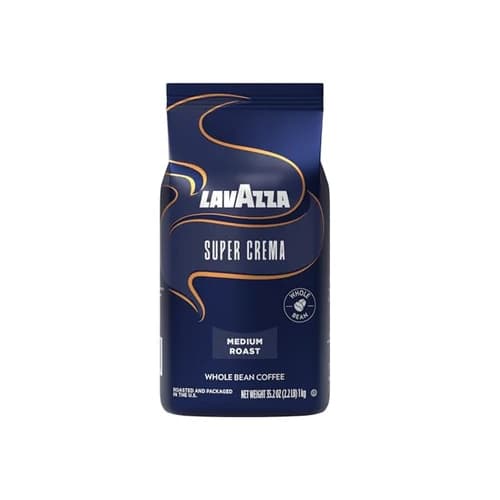
9. Lavazza Super Crema
Lavazza Super Crema is the most famous name in this category and the product we considered most carefully. Its huge owner base is persuasive, but recent reports make lot inspection necessary.
Lavazza specifies a nutty medium Arabica-Robusta blend. At the time of writing, 42,130 Amazon reviews averaged 4.5 stars; verified 2.2-pound ASIN B000SDKDM4 cost $26.99.
Lavazza Super Crema
Rated 4.5 from 42,130 ratings
The crema benchmark with the largest owner base in this guide. Buy its value only if the received lot looks even, dry enough, and properly sealed.
Lavazza publishes no stable percentage recipe on its current US page. Old ratio claims should not guide a new purchase.
For years, owners have used Super Crema in Jura, Philips, Gaggia, and De'Longhi machines because the blend produces body and crema without the taste of an extreme dark roast.
That consensus still deserves weight. So do reports of recent bags that arrived darker, glossier, more uneven, or more broken than earlier purchases.
The balanced owner pattern is unusually physical. Complaints mention surface oil, chaff, broken beans, flat aroma, and a flavor shift between bags, not just a subjective dislike of nuttiness.
Other long-term users report no change and no grinder problem. Both experiences can be true when production origin, inventory age, and individual lots differ.
That is why Super Crema ranks ninth instead of first. A historic reputation and a 4.5-star average cannot tell us what the beans in the next sealed bag look like.
Pour a small sample onto a white plate under direct light. If most beans are evenly roasted and matte to faintly satin, audition the bag before filling the hopper.
If they are greasy, highly uneven, or leaving visible residue, return the lot. Do not rationalize a questionable bag because 42,130 other ratings belong to the same product page.
Buy it for a busy milk-drink household that values crema and is willing to inspect each delivery. Buyers who want the same bulk economics with less current controversy should start with Lavazza Espresso.
What residue does inside the machine
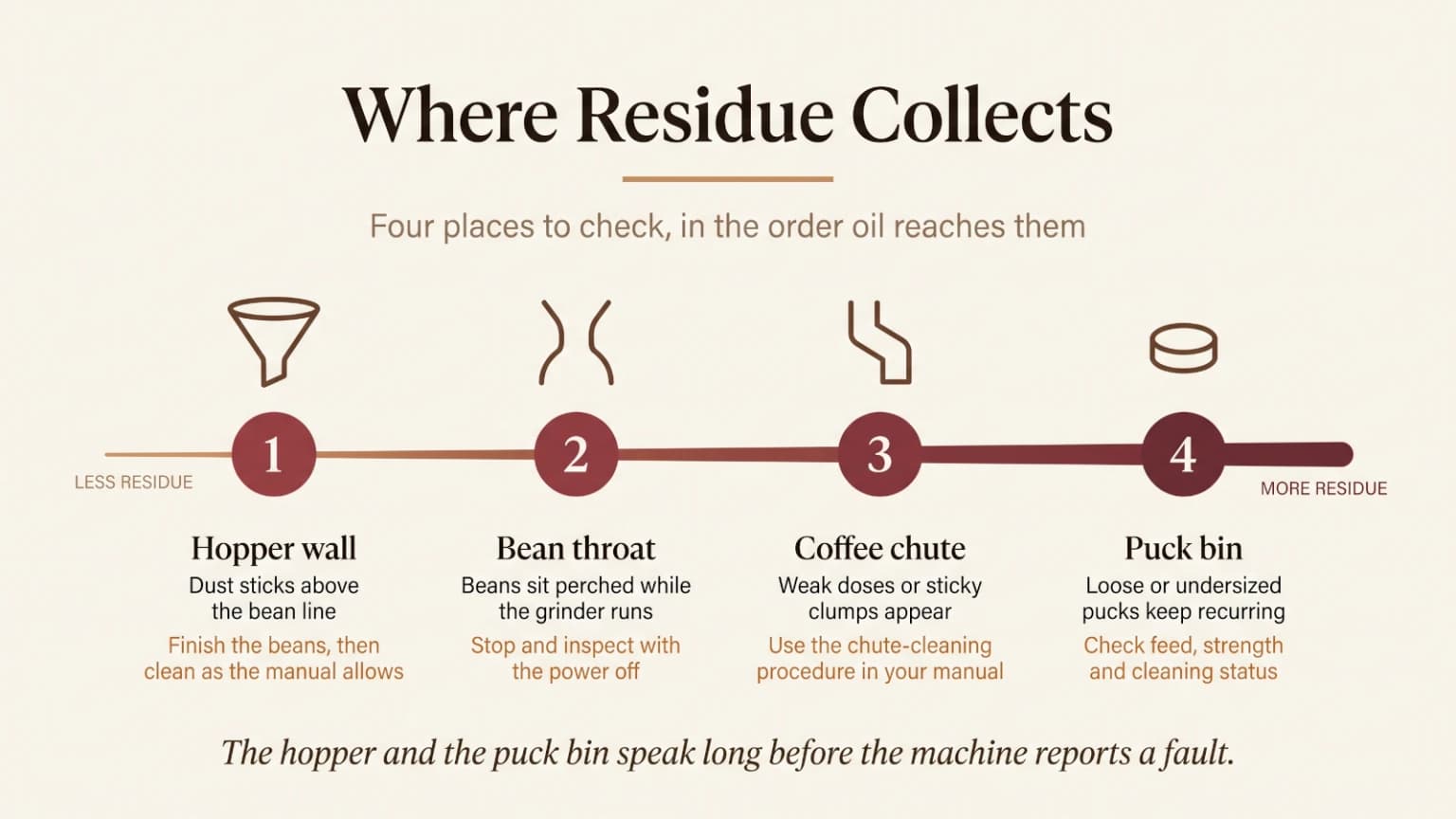
The main bean-specific risk to a bean-to-cup machine is not dramatic grinder failure on cup one. It is residue migration, a slow transfer of surface oil and trapped coffee fines through places that receive little routine attention.
The hopper is the first checkpoint. Oil makes its walls tacky, then dust clings to that film instead of falling cleanly toward the burrs.
At the throat, sticky beans can form a loose bridge. The grinder may sound normal while dosing less coffee because the beans above it are no longer falling evenly.
Inside the burr chamber, oil holds fine particles. Those fines can age, turn rancid, and change the aroma of later beans even when the new bag looks dry.
The ground-coffee chute is the narrowest stage. Clumps there can slow a dose or leave enough old coffee behind to make the next puck inconsistent.
Residue accumulates by stages. Early clues usually appear in the hopper and puck bin before the machine reports a fault.
Four residue checkpoints
Four residue checkpoints
Checkpoint
Early evidence
Proportionate response
Hopper wall
Dust sticks above the bean line
Finish or remove beans, then clean only as the manual allows
Bean throat
Beans remain perched while the grinder runs
Stop use and inspect the feed path with power off
Coffee chute
Weak doses or sticky clumps appear
Use the model-specific chute-cleaning procedure
Puck bin
Loose, undersized, or irregular pucks recur
Check feed, strength settings, and cleaning status
These clues can have other causes. Treat them as prompts to inspect, not proof that a single bean damaged the machine.
The brew group adds hot water, so coffee oil there is normal and cleaning tablets are designed around it. The unusual concern is extra old residue arriving before brewing.
Manufacturers draw the firmest line at coated, caramelized, and flavored beans. Added material is not simply natural coffee oil, and it can carry sugar or flavor compounds into the grinding path.
Never use the hopper to finish a bag you already suspect. The value left in that coffee is tiny beside the labor and uncertainty of cleaning an enclosed grinder.
Three bean supply chains compared
A roast date is useful, but packaging and distribution decide what that date means by arrival. Three supply chains dominate this shortlist, and each asks a different question.
A domestic roast-dated bag gives the clearest clock. Nicoletti stamps the event, while US specialty roasters usually turn smaller bags through a shorter network.
Its risk is gas, not immediate staleness. Coffee shipped very soon after roasting may need several days before an automatic brew cycle becomes calm and repeatable.
Imported valve bags use scale and protective packaging. Lavazza blends can remain commercially stable while sealed, but a best-by code does not tell a buyer how long the bag spent in distribution.
The right check is seal integrity, aroma at opening, and stock turnover. A busy listing can be a better bet than an obscure blend sitting in a warehouse, even when neither supplies a roast date.
illy's pressurized can is a third system. Inert gas and a hermetic package give strong unopened protection, which is especially useful for decaf that may sell or move more slowly.
Its clock changes the instant the can opens. Pressurization cannot protect coffee repeatedly exposed to kitchen air, so the small 8.8-ounce quantity does much of the practical work.
Amazon adds another branch to every chain. Some products are sold by Amazon, while Nicoletti and Lifeboost were verified through their own marketplace storefronts.
For maximum date evidence, choose Nicoletti Original Espresso. For sealed bulk value, the two higher-ranked Lavazza bags make more economic sense than a niche slow-moving import.
Match bag size to household rhythm
The hopper is not a storage canister, even when its lid looks substantial. Heat from the machine, frequent opening, and air in the headspace make it a staging area rather than a pantry.
Load several days of beans and keep the reserve sealed elsewhere. This also limits the amount you must remove if a new setting or flavor proves wrong.
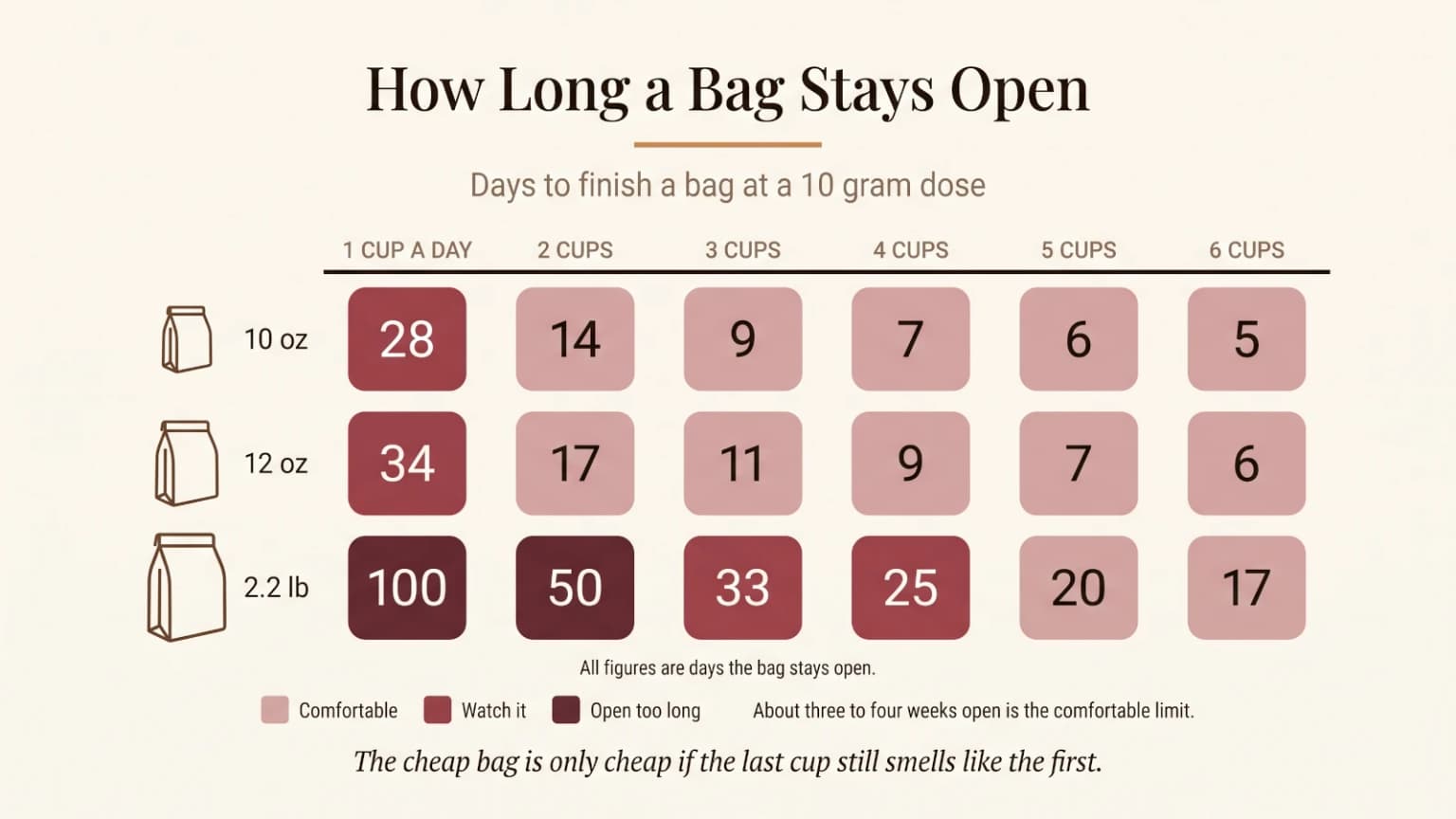
A 10-ounce bag contains about 28 doses at 10 grams each. A 12-ounce bag contains about 34, while a 2.2-pound bag approaches 100.
Those are comparison doses, not promises about your machine. Many superautomatics use less coffee on mild settings and more on maximum strength.
At one drink each day, our bulk bags can remain open for more than three months. At four drinks daily, the same bag turns over in about 25 days.
That is why "best value" depends on household rhythm. A $14.49 small bag can yield more satisfying cups per dollar than a cheaper bulk bag whose last half loses aroma.
Switching habits matter too. A household alternating regular and decaf needs small packages, a dual-hopper machine, or a reliable bypass chute.
Do not pour one bean on top of another and expect a clean comparison. The retained blend can last several cups and make every grinder adjustment hard to interpret.
Storage space is the final fit test. A large bag needs an airtight, dark location, and divided frozen portions need freezer room plus disciplined thawing.
If that sounds excessive, buy 10 or 12 ounces. Convenience is not wasteful when it protects the flavor you paid for.
The case against buying beans online
The strongest objection to this entire guide is fair: a good local roaster can supply a recent roast date, answer questions about surface development, and recommend a blend for your exact machine.
Local purchase also lets you see the bag before shipping damage and avoid an unknown warehouse interval. For many US readers, that is the best route.
Amazon wins on access, repeat ordering, dense owner evidence, and prices that can make a high-use machine affordable to feed. It does not win automatically on freshness.
Marketplace product pages also merge years of feedback. A 4.5-star average can blend old and new recipes, multiple production sites, changed packaging, and owner experiences from different sellers.
Super Crema shows the limitation clearly. Its giant rating base supports long-running appeal, but it cannot settle the condition of today's received lot.
There is also an enthusiast case against all nine. A carefully roasted local coffee can offer clearer origin character and a known roast date that mass-market blends cannot match.
The answer is not to pretend the automatic brewer has no limits. Ask the roaster for a dry medium espresso blend with accessible sweetness, then buy the smallest bag for a machine audition.
Our ranked products are defensible national options, not a claim that Amazon holds the best coffee in every city.
The true cost is an aging bag
Unit price tells only what a sealed package costs. Useful value depends on dose cost, turnover, and how many later cups still carry the aroma that justified buying whole beans.
The table uses a common 10-gram comparison dose. Your machine may dose differently, but applying one baseline makes bag size and household pace visible.
Bag turnover changes value
Bag turnover changes value
Bean
Cost per 10 g
Days at 2 cups
Days at 4 cups
Nizza, 12 oz
$0.43
17 days
9 days
Nicoletti, 2.2 lb
$0.39
50 days
25 days
Lavazza Espresso, 2.2 lb
$0.23
50 days
25 days
Crema e Aroma, 2.2 lb
$0.23
50 days
25 days
Big Trouble, 12 oz
$0.48
17 days
9 days
Smart Ass, 10 oz
$0.49
14 days
7 days
Lifeboost, 12 oz
$0.85
17 days
9 days
illy Decaf, 8.8 oz
$0.69
13 days
6 days
Super Crema, 2.2 lb
$0.27
50 days
25 days
Rounded from verified package prices and nominal weights. Days assume the full bag is used at the stated pace with no purging or waste.
The economical bag is the one your household can finish while its opened flavor still satisfies you.
The table exposes two different bargains. Lavazza Espresso has the lowest comparison dose cost, while Smart Ass has the cheapest trial because the entire bag costs just $13.99.
Nicoletti looks expensive at checkout but costs about 39 cents per 10 grams. Its real value rises in a busy home and falls sharply when the roast-dated bag remains open for weeks.
Lifeboost's 85-cent comparison dose is a conscious premium. Pay it for the stated attributes, not because a superautomatic requires costly beans.
When to buy
Buy a first bag at an ordinary price before stocking up. A successful four-cup audition is more valuable than a Prime Day discount on coffee your machine or palate rejects.
For a known bulk bean, Prime Day and Black Friday can lower the pantry cost. Check seller, package count, net weight, and expected use before treating a crossed-out price as savings.
Coffee is perishable inventory. An aggressive clearance can also mean older stock, so inspect date codes and seals as carefully during a sale as at full price.
Subscribe only after two separate lots behave well. The second bag tests whether the first was representative and whether the delivery interval matches actual household use.
How to audition a new bag
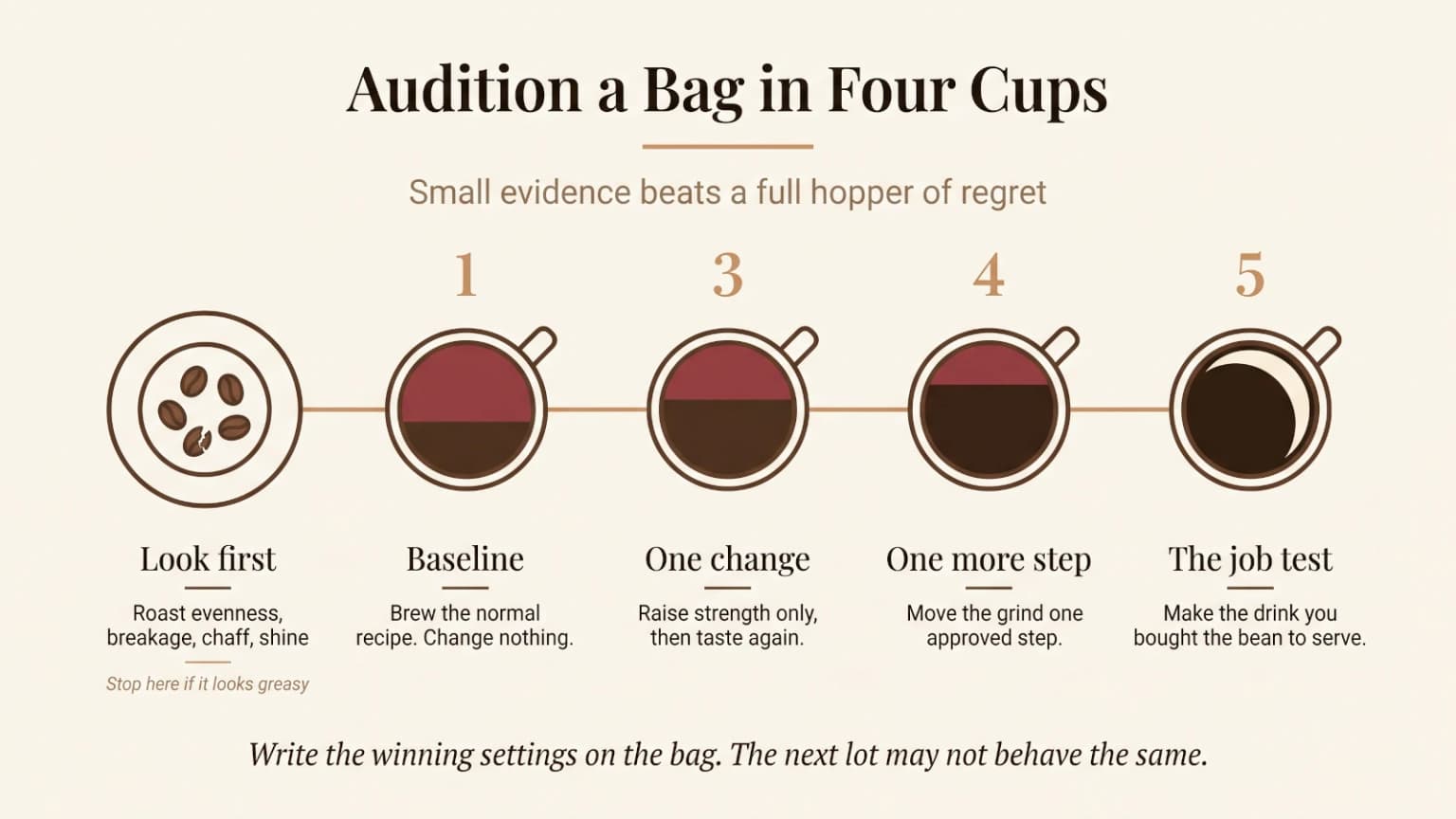
A full hopper turns one uncertain purchase into days of mixed beans and awkward cleanup. A four-cup audition keeps the evidence small and the settings understandable.
Inspect first, establish a baseline, change one control, then test the drink the bean actually needs to make.
The four-cup bean audition
1
Inspect a sample on a white plate
Check roast evenness, broken beans, chaff, and surface shine under direct light. Stop before loading if the sample looks greasy or coated.
Tip Take one photo with the bag code visible. It helps with a return and gives you a reference for the next lot.
2
Load only several doses
Use roughly 50 to 75 grams, not a full hopper. Note the current grind and strength settings before changing anything.
3
Make cup one at the baseline
Brew the normal short espresso or coffee recipe. Judge aroma, sweetness, bitterness, body, and how the spent puck looks.
4
Change one control for cups two and three
Adjust strength first, then one grind step if needed and allowed. Brew after the grinder settles so retained grounds do not mislead you.
5
Use cup four as the job test
Make the cappuccino, Americano, or long coffee you buy the bean to serve. A bean that only works in a test shot is the wrong household pick.
6
Accept, redirect, or return
Fill the hopper only if feed and flavor pass. Redirect a mechanically safe mismatch to another brewer, and return a flawed physical lot.
Write the winning settings on the bag or in a phone note. Include date, strength, grind position, drink volume, and one flavor sentence.
That log is especially valuable when the next lot behaves differently. It tells you a real change occurred instead of relying on a vague memory of last month.
Clean up after a risky bean
If glossy or flavored beans reach the hopper, do not panic and do not keep brewing to "flush them through." Stop adding material and follow the machine manual before opening any panel.
A cautious recovery sequence
1
Stop and isolate the problem bag
Switch the machine off as directed and remove loose beans only through the approved hopper method. Keep the bag code for any support request.
2
Clean removable dry-contact parts
Wipe a removable hopper only as its manual permits and let it dry completely before refitting. Never introduce water into the burr chamber.
Tip Do not run rice through a coffee grinder. It can strain the mechanism and leave starch behind.
3
Inspect the chute and puck evidence
Use the model-specific access point and brush, if supplied. Sticky clumps, weak doses, or repeated loose pucks justify a deeper approved clean.
4
Run only approved cleaning products
Use a grinder cleaner only when the manufacturer allows it. Brew-group tablets clean a different path and do not automatically clean the burrs.
5
Test with a small dry-bean load
After reassembly, load several doses of a known dry bean. Watch feeding and dose consistency before returning to normal hopper volume.
6
Escalate recurring symptoms
Stop if the grinder strains, the feed remains irregular, or an error returns. Manufacturer support is safer than probing an enclosed powered grinder.
Routine prevention is much simpler. Keep the hopper free of oily dust, follow brew-group cleaning prompts, and inspect the first handful from every new bag.
Natural coffee oils in the brewed path are expected. The aim is not a sterile machine, but a dry feed path and predictable doses.
Which bag of beans should you buy in 2026?
The right answer begins with daily drink and bag turnover, then moves to flavor. Brand prestige comes later.
The three beans we recommend first
Our pick
La Colombe Nizza
$14.49
Best for
Mixed household drinks
Profile
Sweet, nutty, chocolate
Bag fit
One to three daily cups
Weak spot
Soft in a large latte
Nicoletti Original
$38.95
Best for
Fresh traditional espresso
Profile
70/30 Arabica-Robusta
Bag fit
Four or more daily cups
Weak spot
Large upfront bag
Lavazza Espresso
$22.99
Best for
All-Arabica bulk value
Profile
Floral, fruity, moderate
Bag fit
Three or more daily cups
Weak spot
No roast-date clarity
The three beans we recommend first
Specification
Our pick
La Colombe Nizza
$14.49
Nicoletti Original
$38.95
Lavazza Espresso
$22.99
Best for
Mixed household drinks
Fresh traditional espresso
All-Arabica bulk value
Profile
Sweet, nutty, chocolate
70/30 Arabica-Robusta
Floral, fruity, moderate
Bag fit
One to three daily cups
Four or more daily cups
Three or more daily cups
Weak spot
Soft in a large latte
Large upfront bag
No roast-date clarity
Start with one bag and the four-cup audition. The machine will tell you about feed, the drink will tell you about extraction, and household pace will tell you whether the package size is honest value.
Buy small, inspect early, and keep the reserve sealed. That habit protects more flavor than any single choice among the best beans for superautomatic machines.
You can also browse our coffee bean guides for more picks in this category. We keep region-specific availability and pricing separate.
Frequently asked questions
What beans are best for superautomatic machines?
Start with a medium roast whose beans look matte or only faintly satin. A soluble, balanced roast gives the short brew cycle enough sweetness without coating the hopper and grinder in surface oil.
Choose the flavor around your drink. Arabica-forward blends suit black coffee, while a modest Robusta share adds body and crema that remain noticeable under milk.
Bag size matters too. Buy only what your household can finish within roughly three to four weeks after opening.
Can oily beans damage a superautomatic machine?
Oily beans do not usually cause instant damage, but repeated use can leave sticky residue in the hopper, burr chamber, and coffee chute. That residue holds fines and may interfere with clean bean feeding.
Bosch and De'Longhi both warn against oily, caramelized, coated, or flavored beans in automatic machines. Follow the wording in your own manual because cleaning access differs by model.
A few shiny beans are not the same as a bag that feels greasy. Reject a heavily glossy or flavored batch before pouring it into the hopper.
Are Lavazza Super Crema beans too oily?
The answer depends on the actual bag. Many owners receive dry-looking Super Crema and use it for years, while others report darker, glossier, or less even batches.
Inspect the beans under direct light before loading them. A light satin sheen can be manageable, but a greasy coating, residue on the bag, or many very dark beans is a reason to return that lot.
We list Super Crema for its value and huge owner base, not as a blanket promise that every batch is grinder-friendly.
How fresh should beans be for a superautomatic?
Locally roasted coffee is often easiest to tune after several days of rest and best within a few weeks. A printed roast date lets you judge that window instead of guessing from a distant best-by date.
Nitrogen-packed imported coffee follows a different clock. An intact valve bag or pressurized can can protect it before opening, but the beans still begin aging once oxygen enters.
Smaller bags beat fresher labels if a large bag sits open for two months.
Can you use light-roast beans in a superautomatic?
Yes, but very light coffee can taste sharp or thin because many superautomatic brew groups use a modest dose and a short contact time. The grinder also works harder on dense, lightly roasted beans.
Start near the finer side of the approved grind range, raise coffee strength, and use a shorter drink. Change the grinder only while it is running if your manual requires that.
A developed light-medium or balanced medium roast is usually more forgiving than a pale specialty roast.
How should beans be stored for a bean-to-cup machine?
Keep the reserve in its original valve bag, press out excess air, seal it tightly, and place it in a cool, dark cabinet. Heat, oxygen, moisture, and light all shorten useful freshness.
Load only a few days of beans into the hopper unless it has a genuinely airtight seal. Do not refrigerate a bag that you open daily because condensation can reach the beans.
For a large purchase, divide unopened portions into airtight containers and freeze them once. Let a sealed portion reach room temperature before opening it.